can you have pcos with normal hormone levels Pcos ovarian polycystic controlling
Polycystic Ovarian Syndrome (PCOS) is a complex hormonal disorder that affects many women worldwide. It is characterized by enlarged ovaries containing small cysts, hence the name “polycystic”. PCOS can cause a range of symptoms, including irregular menstrual cycles, infertility, weight gain, acne, and excess hair growth. It is a condition that requires attentive medical management to alleviate its impact on the affected individuals.
Understanding PCOS
PCOS is a condition that affects the female reproductive system. It occurs when the ovaries produce excessive amounts of androgens, which are male hormones. This hormonal imbalance disrupts the regularity of the menstrual cycle and can make it difficult for women to conceive naturally.
While the exact cause of PCOS is still unclear, several factors are believed to contribute to its development. These factors include genetics, insulin resistance, and inflammation. The condition tends to run in families, suggesting a genetic component, and it often coexists with insulin resistance, a condition in which the body’s cells do not respond effectively to insulin.
In addition to the physical symptoms, PCOS can also have psychological effects on women. Living with an unpredictable menstrual cycle, infertility struggles, and changes in physical appearance can take a toll on one’s emotional well-being. It is important for people with PCOS to have access to proper support and resources to address the emotional impact of the condition.
Recognizing the Symptoms
PCOS presents a wide range of symptoms that can vary from person to person. Irregular or absent menstrual cycles are one of the hallmark symptoms. Women with PCOS may also experience heavy periods or long stretches without a period.
Excessive hair growth, also known as hirsutism, is another common symptom. This can occur on the face, chest, back, or other areas where men typically grow hair. Acne, oily skin, and dandruff are also frequently observed in women with PCOS. These skin issues are a result of the hormonal imbalances that occur in the body.
Weight gain and difficulty losing weight are often associated with PCOS. The hormonal imbalances caused by the condition can make it challenging for the body to regulate weight effectively. Insulin resistance, which is commonly seen in women with PCOS, can further contribute to weight gain.
Effective Management Options
While there is no cure for PCOS, there are various management options available to alleviate the symptoms and improve overall quality of life. Treatment plans are typically customized to individual needs and may include a combination of lifestyle modifications and medical interventions.
Diet and exercise play a crucial role in managing PCOS. A balanced diet that focuses on whole foods, lean proteins, and complex carbohydrates can help regulate insulin levels and maintain a healthy weight. Regular physical activity, such as aerobic exercises and strength training, can also improve insulin sensitivity and promote weight management.
In some cases, medication may be prescribed to manage specific symptoms associated with PCOS. Hormonal birth control pills are commonly prescribed to regulate menstrual cycles and reduce excessive androgen production. Other medications, such as anti-androgens and insulin sensitizers, may also be prescribed to address specific symptoms and underlying hormonal imbalances.
Conclusion
PCOS is a complex and challenging condition that affects many women worldwide. The hormonal imbalances associated with PCOS can lead to a range of physical and emotional symptoms, requiring attentive medical management. Recognizing the symptoms and seeking proper medical care is crucial for women with PCOS.
It is important for individuals with PCOS to have access to reliable information, support groups, and healthcare professionals who specialize in the condition. With the right management strategies and support, women with PCOS can lead fulfilling lives and successfully navigate the challenges associated with this hormonal disorder.
Sources:
- Polycystic Ovarian Syndrome (PCOS): What Is It, Causes, Symptoms
- Polycystic Ovary Syndrome (PCOS) and Its Symptoms | Polycystic ovary
If you are searching about Fix Hormone Madness and PCOS at FITBITES.CA – FITBITES you’ve visit to the right place. We have 5 Pictures about Fix Hormone Madness and PCOS at FITBITES.CA – FITBITES like Controlling PCOS, Polycystic Ovarian Syndrome - AIM Women’s Wellness Center, Polycystic Ovary Syndrome (PCOS) and It’s Symptoms | Polycystic ovary and also Fix Hormone Madness and PCOS at FITBITES.CA – FITBITES. Read more:
Fix Hormone Madness And PCOS At FITBITES.CA – FITBITES
 fitbites.caControlling PCOS, Polycystic Ovarian Syndrome - AIM Women’s Wellness Center
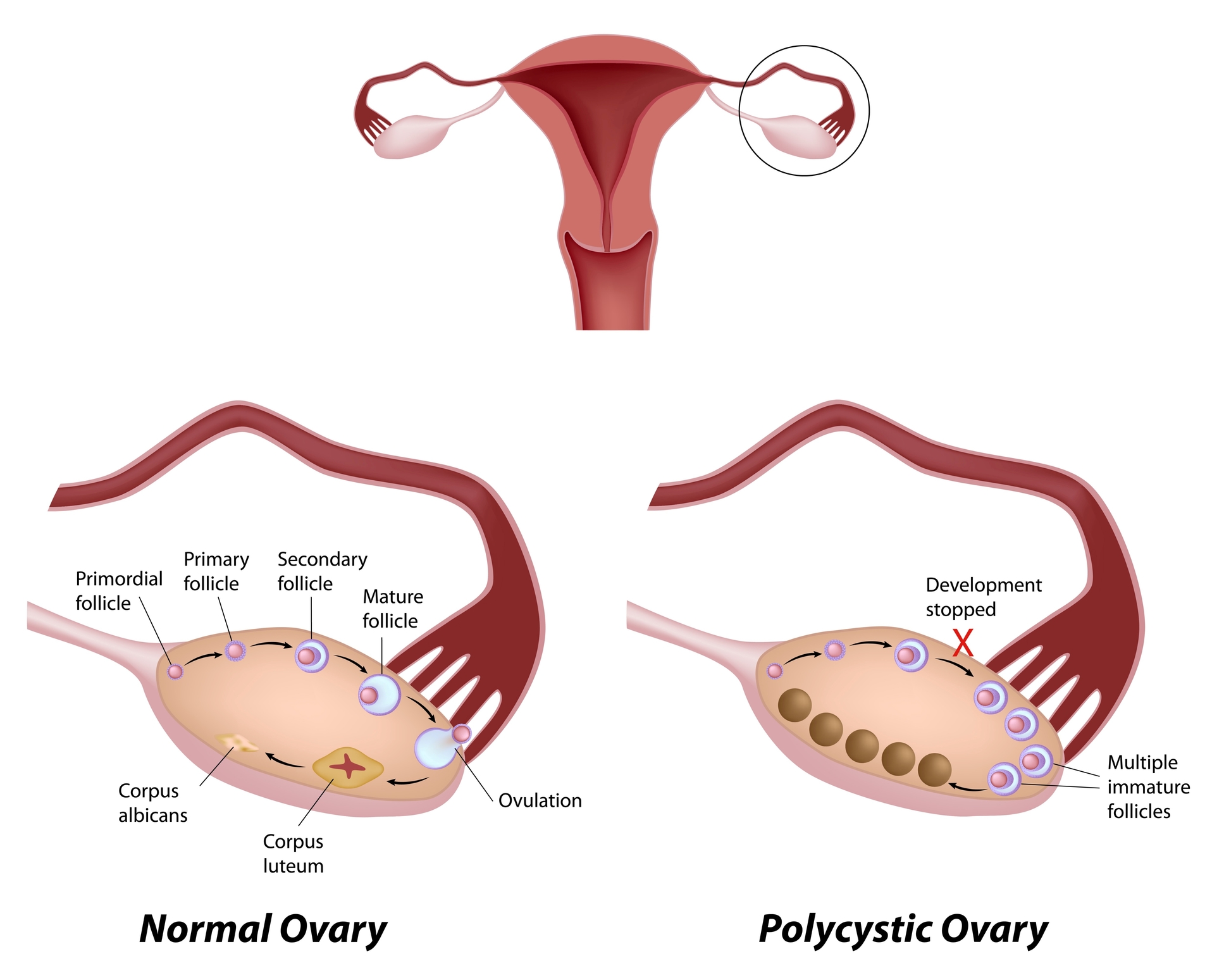 aimwellnessclinic.compcos ovarian polycystic controlling
Polycystic Ovarian Syndrome (PCOS): What Is It, Causes, Symptoms
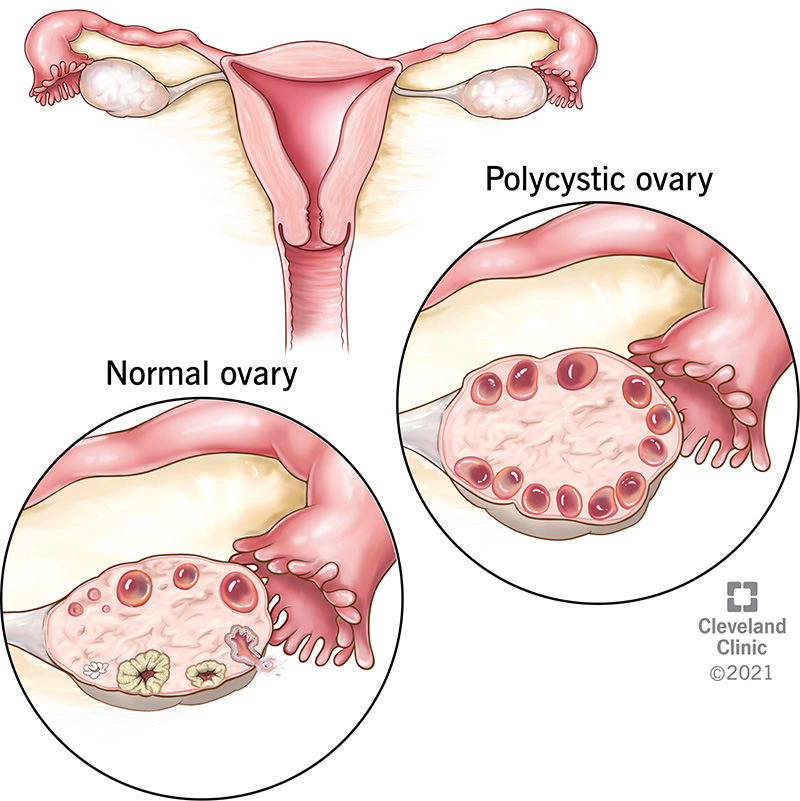 my.clevelandclinic.orgIs PCOS A HORMONE IMBALANCE? - Genesis Gold
 genesisgold.compcos hormone imbalance
Polycystic Ovary Syndrome (PCOS) And It’s Symptoms | Polycystic Ovary
 www.pinterest.comovary polycystic pcos ovaries affect hormones periods irregular imbalance hormone
Pcos hormone imbalance. Is pcos a hormone imbalance?. Fix hormone madness and pcos at fitbites.ca – fitbites