how to reduce aldehyde Solved what aldehyde would you reduce to produce the
Check out these amazing chemistry illustrations! They showcase the fascinating world of chemical reactions, specifically dehydration and reduction. Prepare to be impressed by the incredible transformations that take place in these reactions.
Dehydration Reaction: Draw the Product
 Ever wondered what happens during a dehydration reaction? Look no further! The provided illustration perfectly captures this chemical process in a visually engaging way.
A dehydration reaction involves the removal of a water molecule from a compound, resulting in the formation of a new product. In the illustration, you can see the reactant molecule on the left and the product molecule on the right. The water molecule is represented by the blue and white droplet, showing its separation from the initial compound.
What makes this reaction exciting is the plethora of molecules it encompasses. From simple alcohols to complex hydrocarbons, dehydration reactions play a crucial role in numerous chemical processes. They are essential in organic synthesis and are commonly used in the production of various products, including plastics and fuels.
Reduction of Aldehydes and Ketones
 In the world of organic chemistry, reduction reactions are equally captivating. This illustration demonstrates the reduction of aldehydes and ketones, providing a visual representation of this intriguing transformation.
Reduction reactions involve the addition of hydrogen atoms (H2) or the removal of oxygen atoms from a molecule, resulting in the formation of a new product. Aldehydes and ketones are common functional groups that undergo reduction to form alcohols. In the illustration, the reactant molecule is shown on the left, while the product molecule, an alcohol, is depicted on the right.
Reduction reactions are widely used in organic chemistry to synthesize a range of compounds, such as pharmaceuticals, fragrances, and solvents. Understanding the mechanisms behind these reactions is essential in developing new drugs and designing more efficient synthetic pathways.
Chemistry is all about exploration and understanding the intricacies of chemical reactions. These illustrations help demystify complex concepts and make them more accessible. Whether you’re a student, a curious mind, or simply someone with an interest in science, these visuals will undoubtedly enhance your understanding of these fascinating processes.
So next time you come across a dehydration or reduction reaction, you’ll be able to appreciate the intricate transformations taking place at the molecular level. Explore the beauty of chemistry and witness firsthand the remarkable changes that occur during these reactions.
If you are searching about New Page 2 [www.chemhume.co.uk] you’ve came to the right place. We have 5 Pics about New Page 2 [www.chemhume.co.uk] like New Page 2 [www.chemhume.co.uk], Solved What aldehyde would you reduce to produce the | Chegg.com and also New Page 2 [www.chemhume.co.uk]. Here it is:
New Page 2 [www.chemhume.co.uk]
![New Page 2 [www.chemhume.co.uk]](http://chemhume.co.uk/A2CHEM/Unit 1/3 Carbonyl groups/reduction_of_aldehyde.jpg) www.chemhume.co.ukreduction aldehyde aldehydes carbonyl
Reduction Of Aldehydes And Ketones
chemistry.elmhurst.edualdehyde h2 ketone hydrogen secondary
Draw The Product Of The Following Dehydration Reaction - #The Expert
washedupcelebrity.blogspot.comreduction mechanism nabh4 ketone aldehyde sodium borohydride chemistry carbonyl reaction lialh4 organic ketones alcohol carboxylic ester aldehydes dehydration draw following
Reactions Of Aldehydes And Ketones — Organic Chemistry Tutor
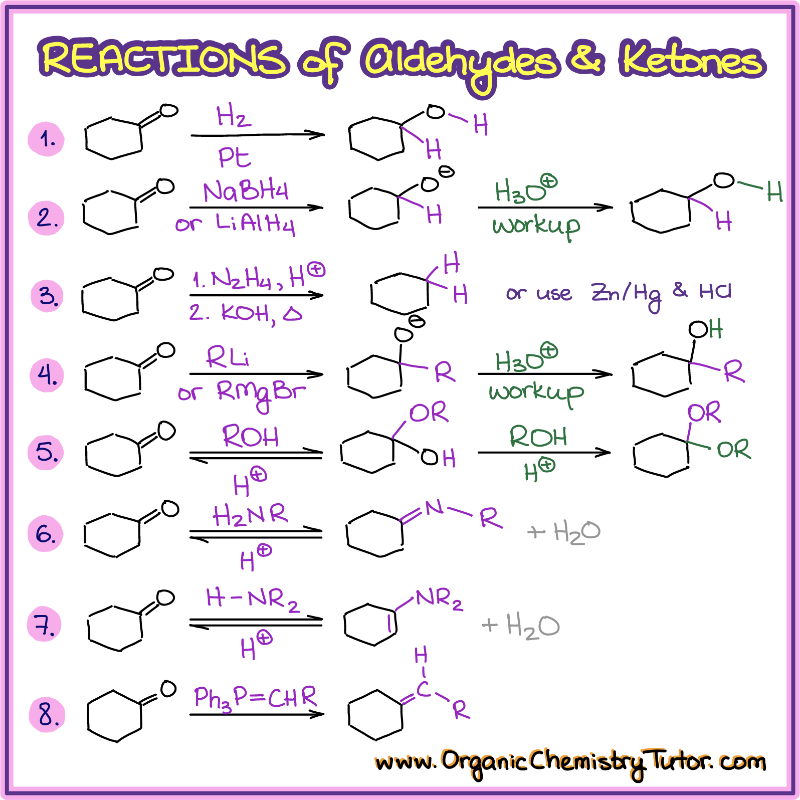 www.organicchemistrytutor.comaldehydes ketones organicchemistrytutor tutor aldehyde reduction
Solved What Aldehyde Would You Reduce To Produce The | Chegg.com
