is bleached wheat flour gluten free Bleached 1kg feta
When it comes to flour, there are many options available in the market. One particular topic of discussion is bleached flour, and what exactly it has to do with our beloved staple. In this post, we will explore the process of bleaching flour, its impact on our health, and whether or not it is a necessary ingredient in our daily cooking.
Understanding Bleached Flour
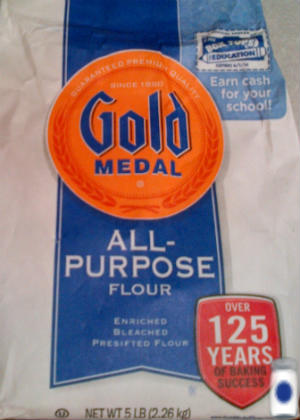 Bleached flour is a term that refers to flour that has undergone a chemical treatment process to achieve a lighter texture and color. The main purpose of bleaching flour is to speed up the aging process, allowing it to have properties similar to flour that has aged naturally over time.
The process of bleaching involves the use of chemicals, such as chlorine gas or benzoyl peroxide, to oxidize the flour. This oxidation process helps to break down the gluten in flour, resulting in a finer texture. Additionally, it helps to whiten the flour, making it more visually appealing to consumers.
The Health Concerns
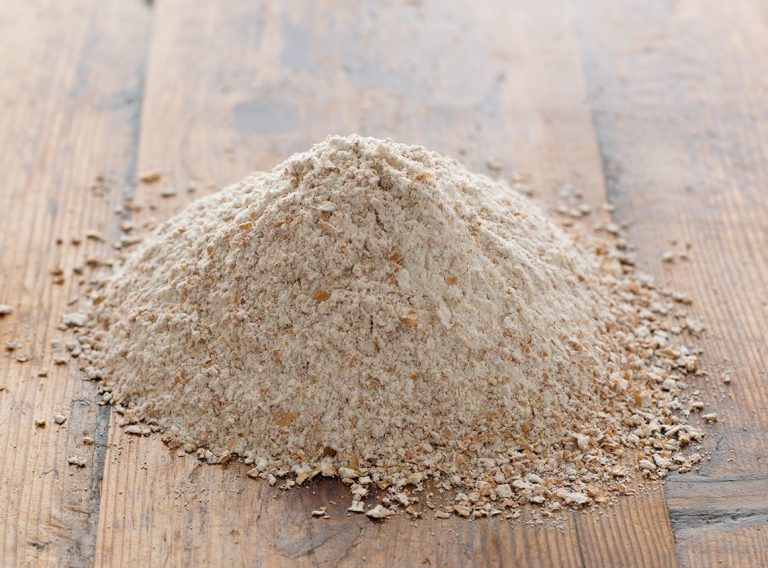 Despite its widespread use and popularity, bleached flour does come with some health concerns. The chemicals used in the bleaching process can have adverse effects on our bodies. Chlorine gas, for example, has been found to react with the proteins in flour and produce harmful compounds known as chloramines. These compounds have been linked to respiratory issues and other health problems.
Furthermore, bleached flour tends to have a lower nutritional value compared to unbleached flour. During the bleaching process, some of the naturally occurring vitamins and minerals in the flour are lost. This can lead to a deficiency in essential nutrients like iron, folate, and B vitamins.
Is Bleached Flour Necessary?
Given the potential health risks and the loss of nutritional value, many people question the necessity of using bleached flour in their cooking and baking. The truth is, bleached flour is not a necessary ingredient in most recipes. In fact, many professional bakers and chefs prefer to use unbleached flour due to its superior flavor and nutritional profile.
If a recipe specifically calls for bleached flour, it is often because the texture and appearance of the final product require the use of this type of flour. However, in most cases, you can easily substitute bleached flour with unbleached flour without compromising the overall outcome of your dish.
When it comes to health-conscious individuals and those with dietary restrictions, opting for unbleached flour can be a better choice. Unbleached flour retains more of its natural nutrients and is free from potentially harmful chemical residues.
In conclusion, while bleached flour may seem like a convenient option, it is important to understand its impact on our health. By opting for unbleached flour, we can prioritize our well-being without sacrificing the taste and quality of our favorite baked goods. So next time you are at the grocery store, consider reaching for a bag of unbleached flour and enjoy the benefits it brings to your cooking and overall health.
If you are searching about Bleached Wheat Flour you’ve visit to the right place. We have 5 Images about Bleached Wheat Flour like Bleached White Flour | dreamhawk.com, Flour 1kg – Hard Wheat Flour Bleached (Feta Brand repacked) – FETA and also Bleach, What Does it Have to Do With Flour?. Here you go:
Bleached Wheat Flour
 bleachedwheatflour.blogspot.comflour wheat whole bleached
Bleached White Flour | Dreamhawk.com
dreamhawk.combleached dreamhawk
Flour 1kg – Hard Wheat Flour Bleached (Feta Brand Repacked) – FETA
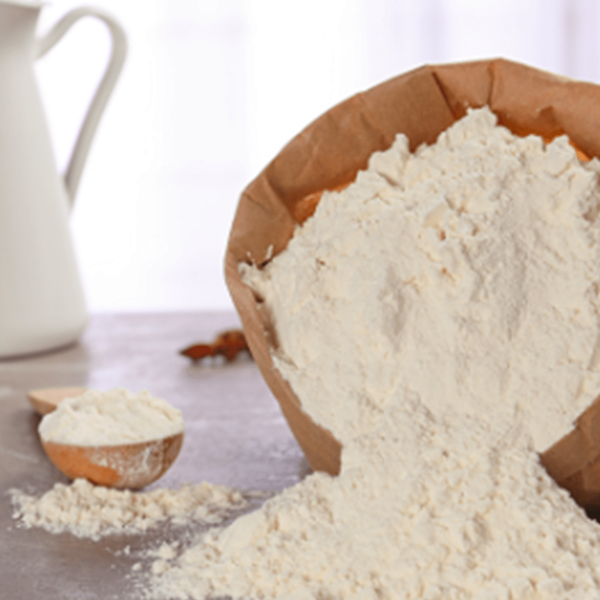 www.thefeta.combleached 1kg feta
Bleach, What Does It Have To Do With Flour?
pantryparatus.comflour bleached bleach does unbleached same results
Bleached Flour Vs. Unbleached: SPICEography Showdown - SPICEography
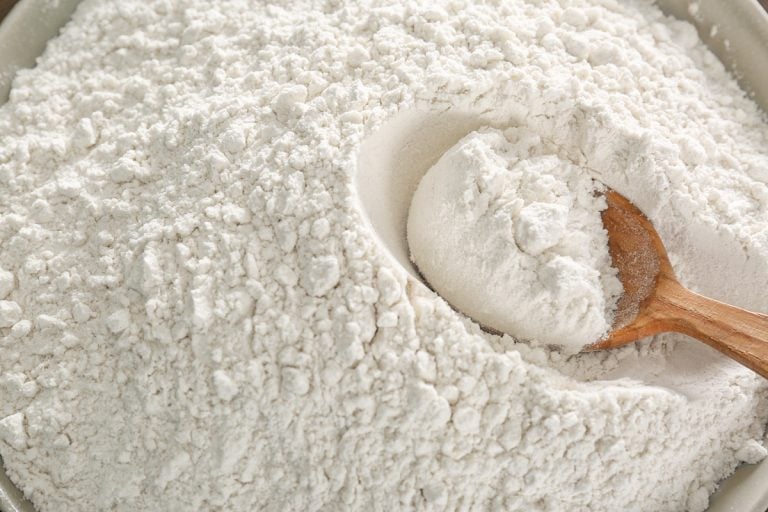 www.spiceography.comspiceography substitute bleached unbleached substituted showdown
Flour bleached bleach does unbleached same results. Bleached flour vs. unbleached: spiceography showdown. Bleached dreamhawk