what does type two diabetes mean How to avoid type 2 diabetes
Type 2 Diabetes: Understanding Symptoms, Diagnosis, Treatments, and Complications Type 2 diabetes is a metabolic disorder that affects millions of people worldwide. It occurs when the body becomes resistant to insulin, a hormone that regulates blood sugar levels. This condition can lead to a range of complications if left untreated, including heart disease, kidney damage, and nerve damage. Understanding the symptoms, proper diagnosis, available treatments, and potential complications is crucial for managing and living with type 2 diabetes. Symptoms of Type 2 Diabetes The symptoms of type 2 diabetes can develop gradually, making it important to stay vigilant and aware of any signs that may indicate the presence of the condition. Some common symptoms include frequent urination, increased thirst, unexplained weight loss, fatigue, and blurred vision. Additionally, individuals with type 2 diabetes may experience slow-healing wounds, numbness or tingling in the hands and feet, and frequent infections. Diagnosis of Type 2 Diabetes Diagnosing type 2 diabetes typically involves a series of blood tests to measure blood sugar levels. The most common test is the fasting plasma glucose (FPG) test, which requires fasting for at least eight hours before the blood sample is taken. Another test is the oral glucose tolerance test (OGTT), where blood samples are taken before and two hours after consuming a glucose-rich drink. Additionally, a glycated hemoglobin (A1C) test provides an overview of an individual’s average blood sugar levels over the past two to three months. Available Treatments Once diagnosed with type 2 diabetes, it is important to work closely with healthcare professionals to develop an individualized treatment plan. This plan often includes lifestyle changes, such as adopting a healthy diet and increasing physical activity levels. In some cases, medication or insulin therapy may be necessary to help manage blood sugar levels. When it comes to diet, a balanced and nutritious approach is paramount. It is recommended to consume a variety of fruits, vegetables, lean proteins, and whole grains while limiting the intake of sugary beverages, processed foods, and saturated fats. Regular exercise is also crucial as it helps the body use insulin more effectively and maintain a healthy weight. Potential Complications If left uncontrolled, type 2 diabetes can lead to various complications that can significantly impact an individual’s health and quality of life. These complications include cardiovascular disease, which increases the risk of heart attacks and strokes, as well as kidney damage, which can progress to kidney failure. Moreover, nerve damage, known as diabetic neuropathy, can result in tingling, numbness, and pain in the extremities. Additionally, poor circulation caused by diabetes can lead to foot ulcers and infections, sometimes requiring amputation. Furthermore, individuals with type 2 diabetes are more prone to eye problems, including glaucoma, cataracts, and diabetic retinopathy, which can potentially lead to blindness if left untreated. Living with Type 2 Diabetes Managing type 2 diabetes requires commitment and a proactive approach to overall health and well-being. Regularly monitoring blood sugar levels, taking prescribed medications, following a healthy lifestyle, and attending regular check-ups with healthcare professionals are essential components of successful diabetes management. It is also crucial to seek emotional support from family, friends, and healthcare professionals as living with a chronic condition can be challenging at times. In conclusion, type 2 diabetes is a significant health concern that requires careful attention and management. By recognizing the symptoms, getting properly diagnosed, adopting a healthy lifestyle, and following recommended treatments, individuals living with type 2 diabetes can effectively manage their condition and minimize the risk of complications. Remember, early detection and proactive management are key in maintaining a good quality of life with this condition. If you suspect you may have type 2 diabetes or exhibit any symptoms, please consult with a healthcare professional for proper evaluation and guidance.
If you are searching about Type 2 Diabetes: Metabolomics Reveals Lipid Metabolism Dysregulation you’ve came to the right place. We have 5 Pics about Type 2 Diabetes: Metabolomics Reveals Lipid Metabolism Dysregulation like Diabetes - Symptoms, Diagnosis, Treatments & Complications, How to Avoid Type 2 Diabetes - YouTube and also How to Avoid Type 2 Diabetes - YouTube. Here it is:
Type 2 Diabetes: Metabolomics Reveals Lipid Metabolism Dysregulation
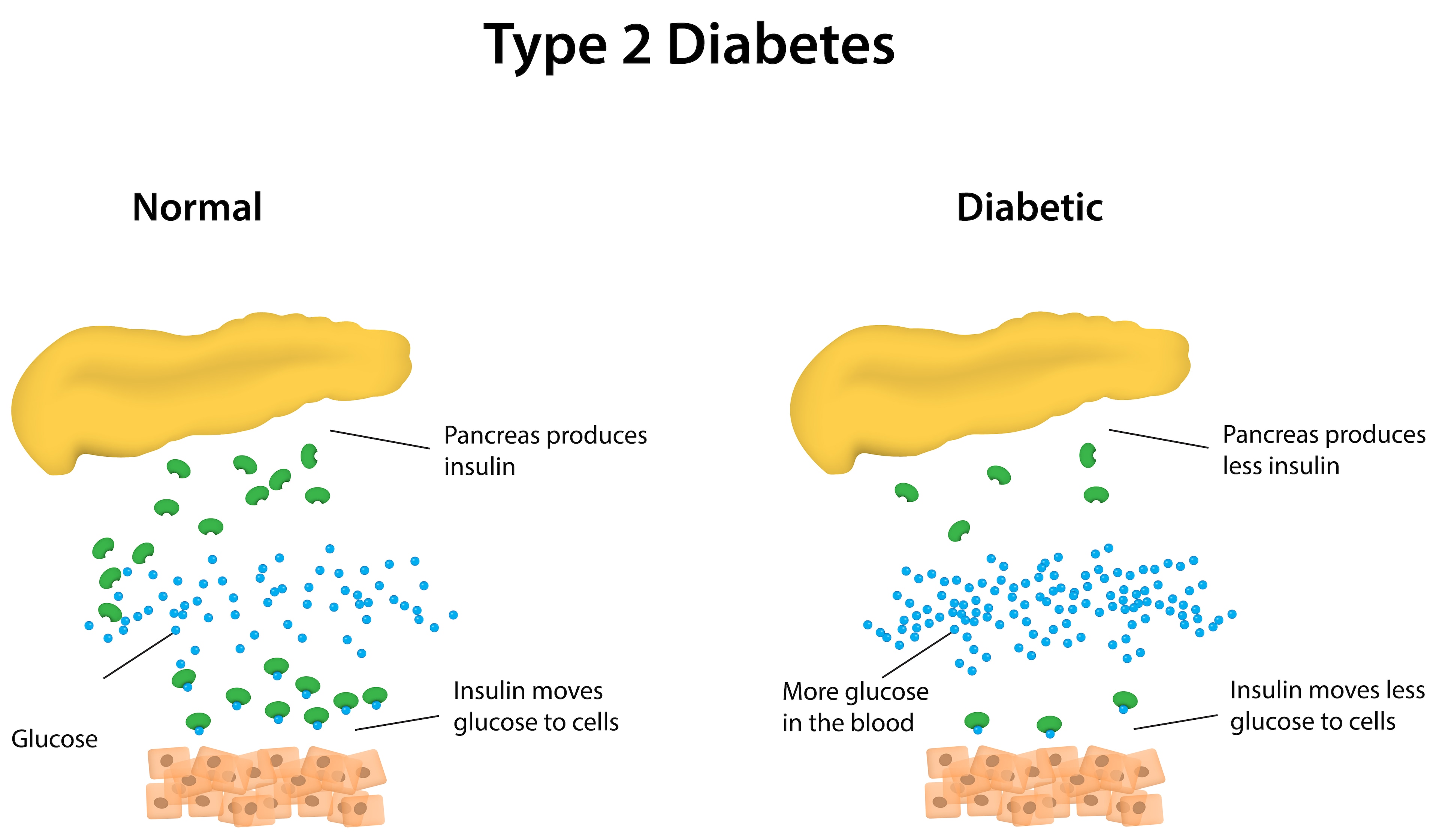 www.thermofisher.comdiabetes type urine stream weak pathophysiology symptoms obesity metabolomics causes insulin glucose mellitus risk ii disposal factors effects pancreas body
Who Is Affected By Diabetes Type 2 - DiabetesWalls
 diabeteswalls.blogspot.comaffected dietitian dietitians referral becomes
Type 2 Diabetes | Men’s Health A-Z | Canadian Men’s Health Foundation
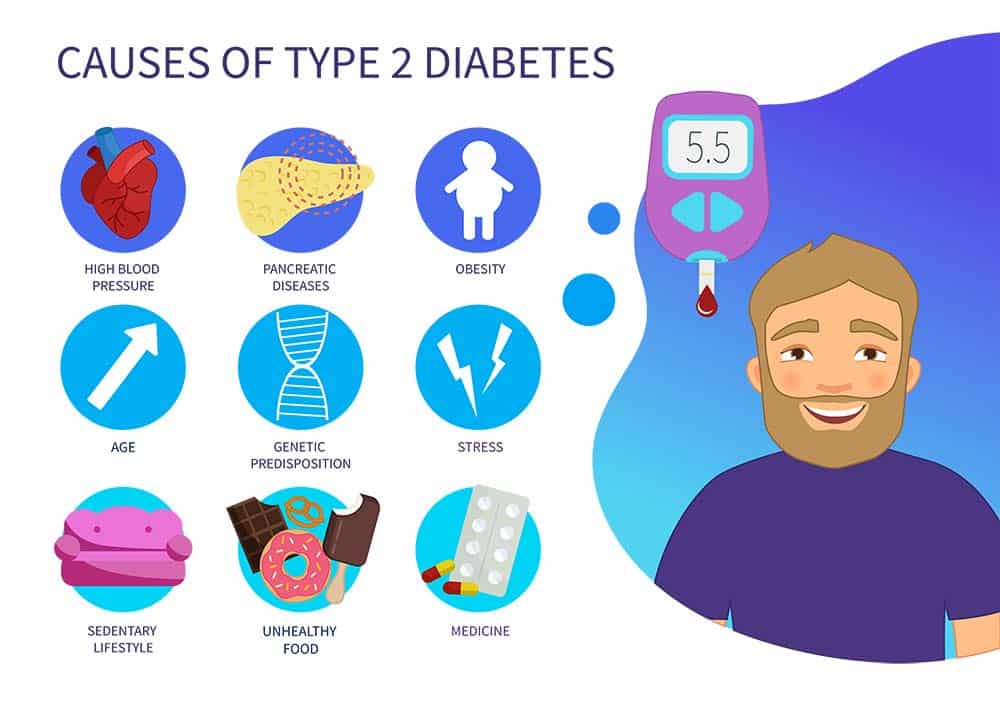 menshealthfoundation.cacauses type orsakar glucose
Diabetes - Symptoms, Diagnosis, Treatments & Complications
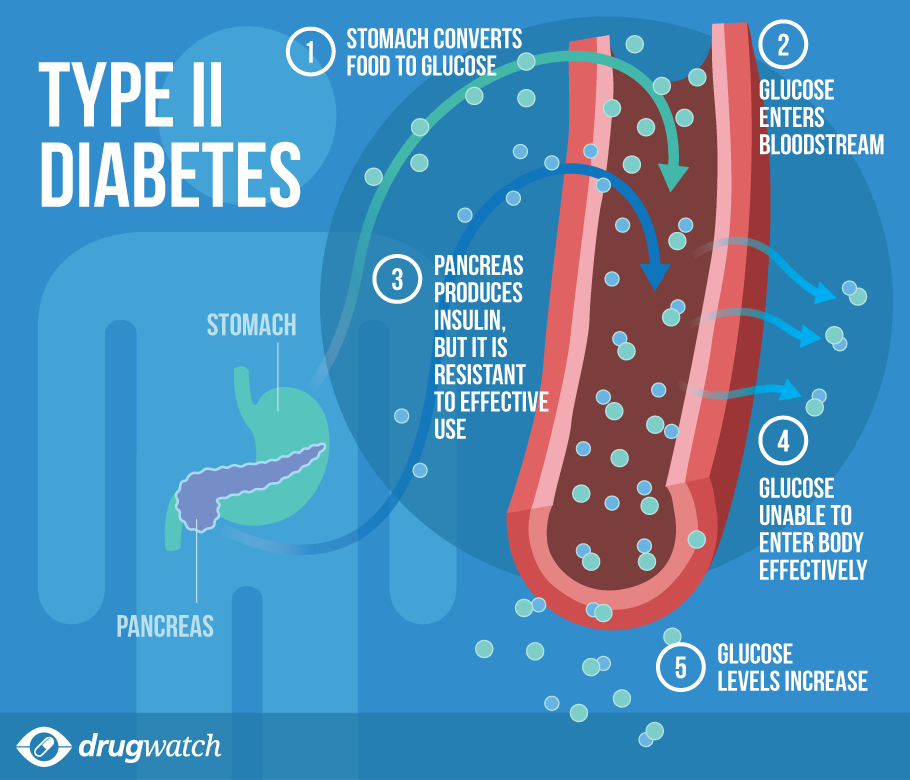 www.drugwatch.comHow To Avoid Type 2 Diabetes - YouTube
 www.youtube.comHow to avoid type 2 diabetes. Type 2 diabetes: metabolomics reveals lipid metabolism dysregulation. Diabetes type urine stream weak pathophysiology symptoms obesity metabolomics causes insulin glucose mellitus risk ii disposal factors effects pancreas body